






















Now the first semester has passed us by, it’s safe to say that Bear River students have, for the most part, escaped the infamous sophomore slump.
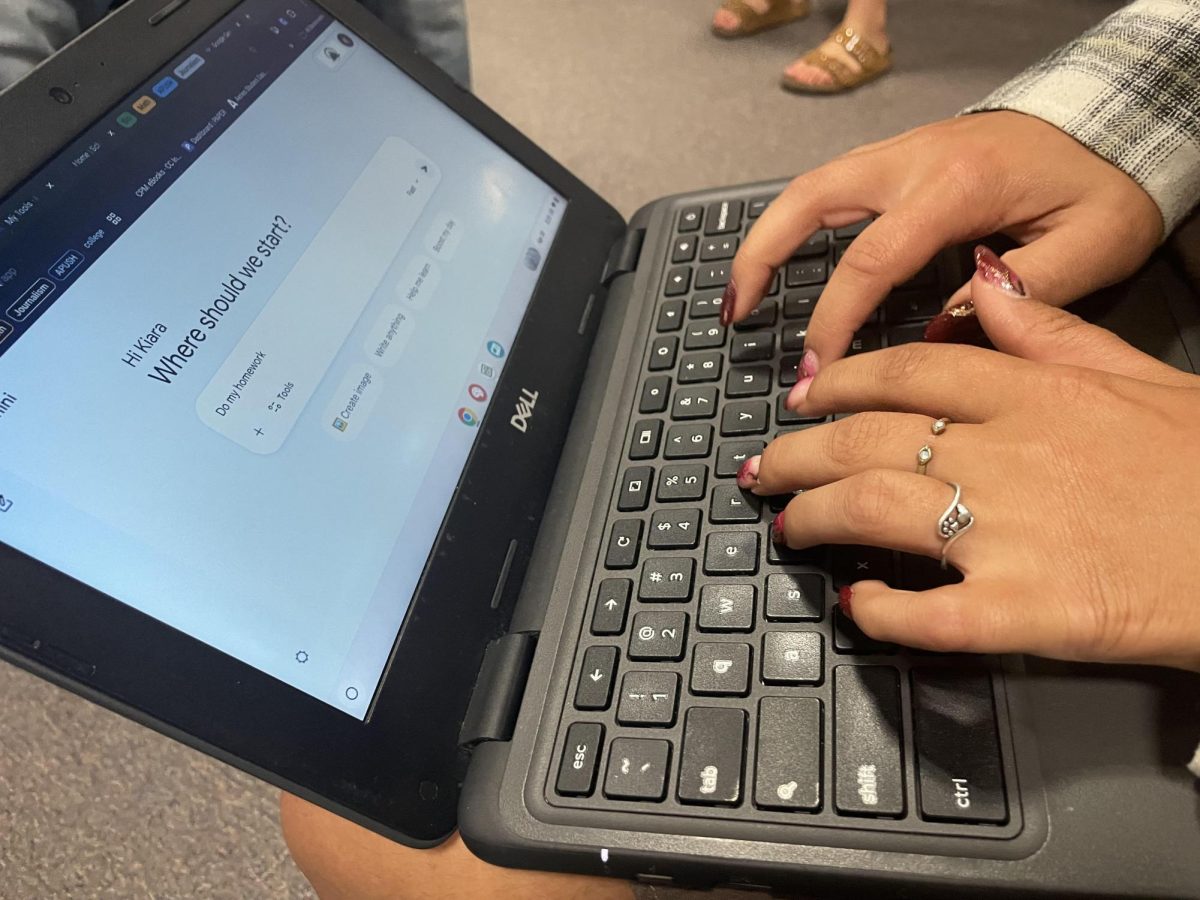
Nearly as well-known as ‘senioritis’, sophomore slump is the coined phrase given to high school sophomores going through extreme burnout. And while many sophomores are finding their schedules flooded with clubs, AP classes and extracurriculars, they manage to balance it all while also prioritizing their mental wellbeing.
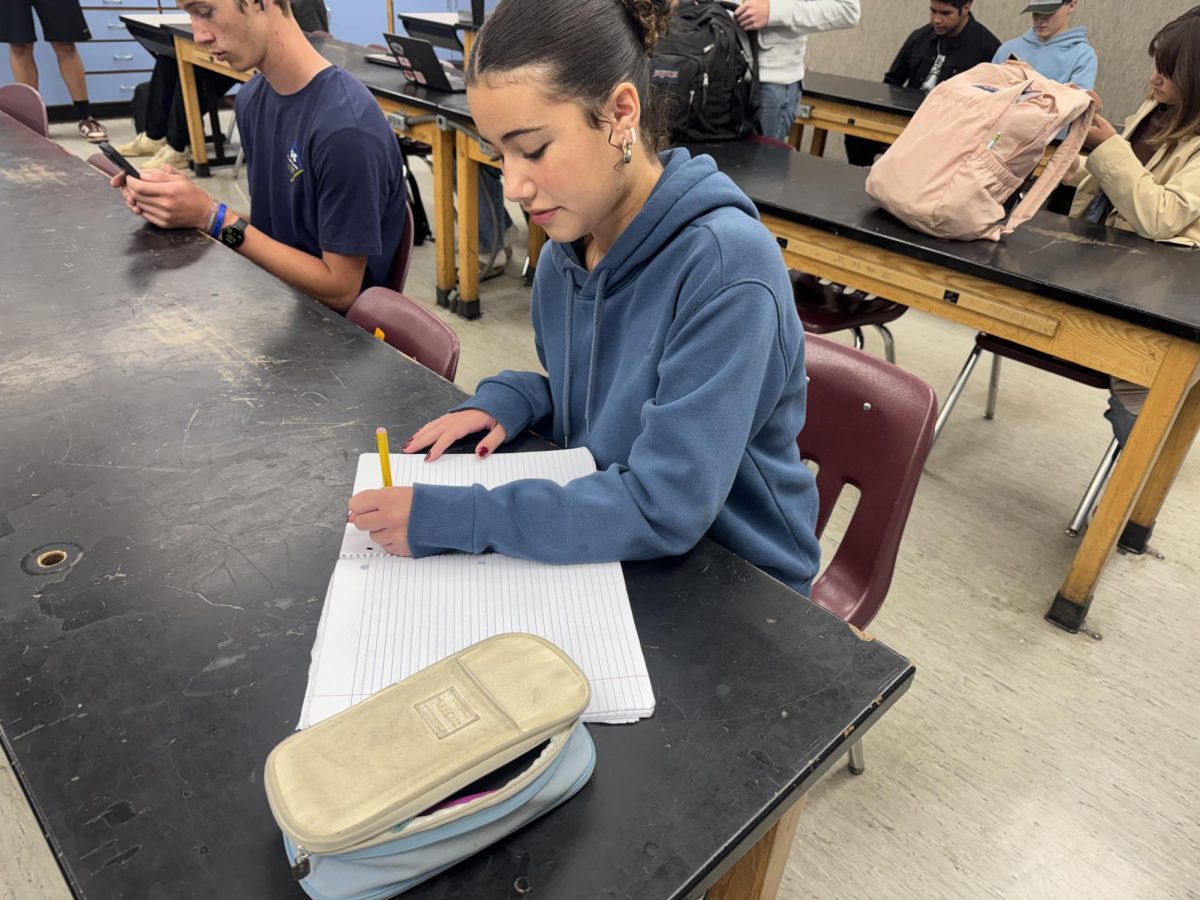
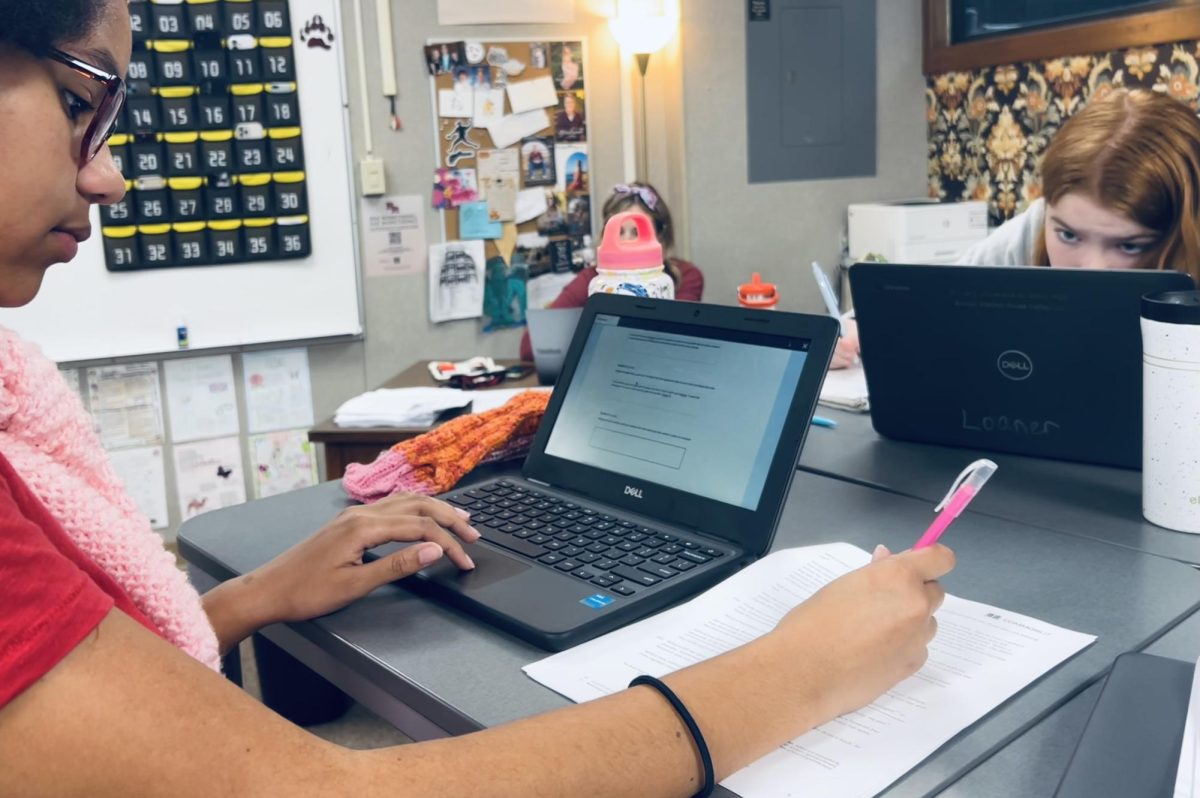
Sophomore Liliana Mudd believes sophomore slump isn’t just a concept – it’s a feeling that contributes to stress and anxiety. One of Bear River’s many straight-A students, Mudd is involved in multiple AP classes, as well as Robotics Club and mountain biking.
“For a lot of kids, this is their first year having AP and Honors classes and they have to start thinking of their futures,” Mudd explained. “At this point you’ve finished your freshman year, and that’s when you find some of your own things, but you haven’t found them all. You’re not quite sure where you’re fitting in, and you get more schoolwork than you had before.”
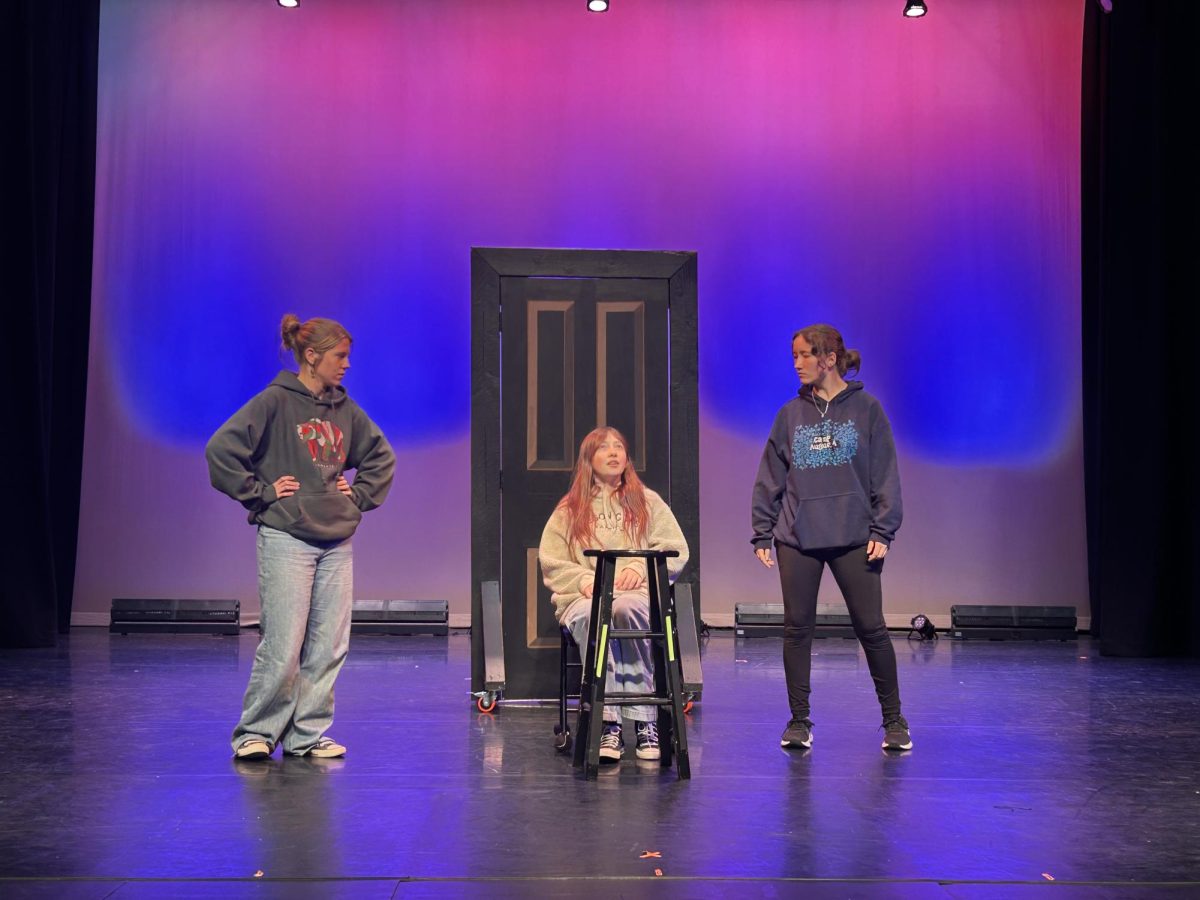
Eze Brost, a sophomore and second-year actor in Honors Theater, added that he finds comfort in acting, though he admits it contributes some anxiety to the school year.
“Drama does give you some pressure with learning lines for shows, but it’s mostly excitement for me,” Brost said. “I just like acting; I think I want to choose that as my career in the future,”
Sophomore Elizabeth Sturgill-Odong offered some comfort and advice for any students struggling academically. As an active member of choir, string ensemble and music counsel, she understands what it’s like to be busy with extracurriculars.
“I think sophomore slump is real, because it’s something I personally have to battle with. It’s the flow of assignments and if you get out of rhythm, it’s hard to get back in.
“I understand the pressures that you put on yourself to be good enough. But you just have to stand back and breathe.” Sturgill-Odong said. “To destress, I take deep breaths and count my fingers.”
While the sophomores all had coping mechanisms to deal with stress, they admitted that sometimes additional help was needed.
“I think (high schools) focus on mental health in some ways, but I do think they could prioritize it more.” Brost shared. “Some of the biggest pressures are definitely homework and grades, things like that.”
Both Mudd and Sturgill-Odong mentioned some on-campus resources that may benefit students, mentioning Bear River’s often overlooked Wellness Center.
“I think that (our) school prioritizes mental health, but people don’t always know where to access these things. We have a lot of resources that people don’t use as often, or as thoroughly as they could.” Mudd added.
It’s important to remember, as these sophomores do, that it’s always okay to take a break, step back and re-examine your problems from a new perspective.