


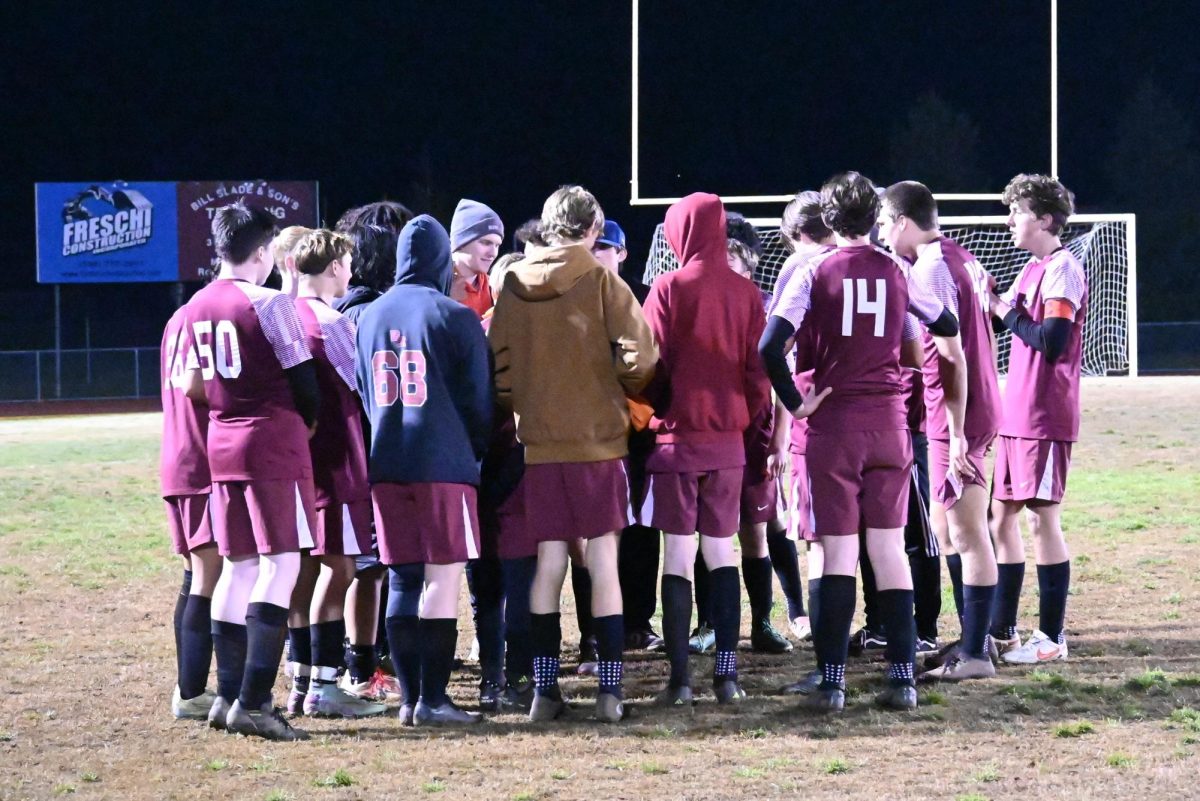
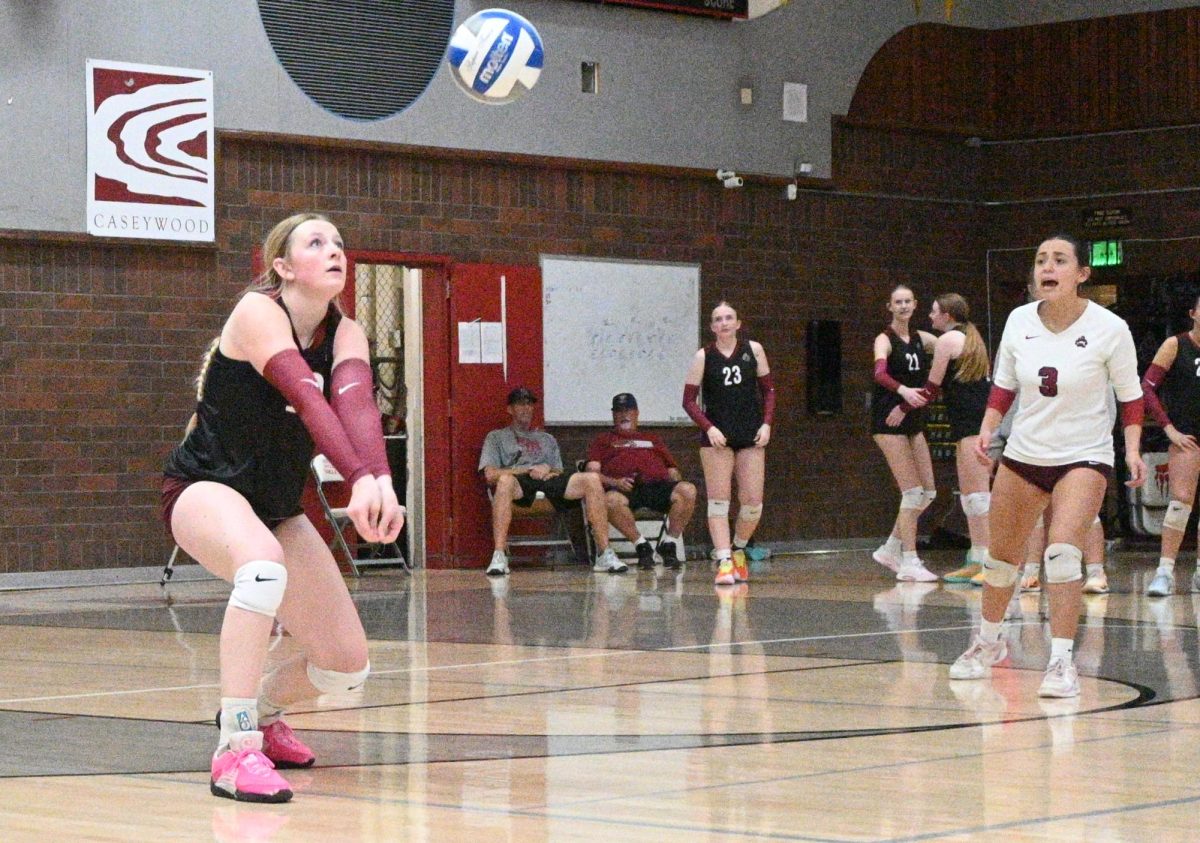
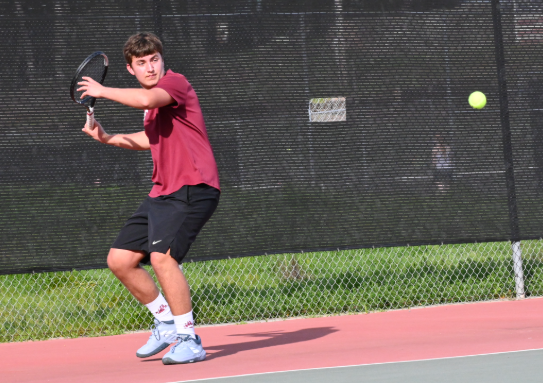
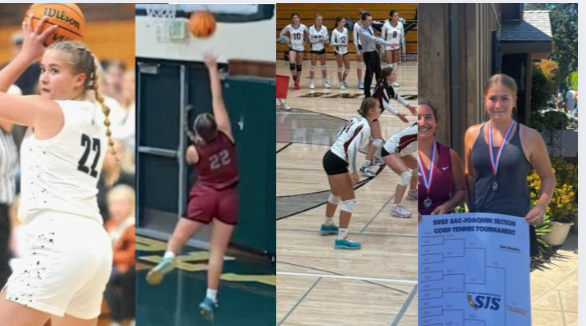


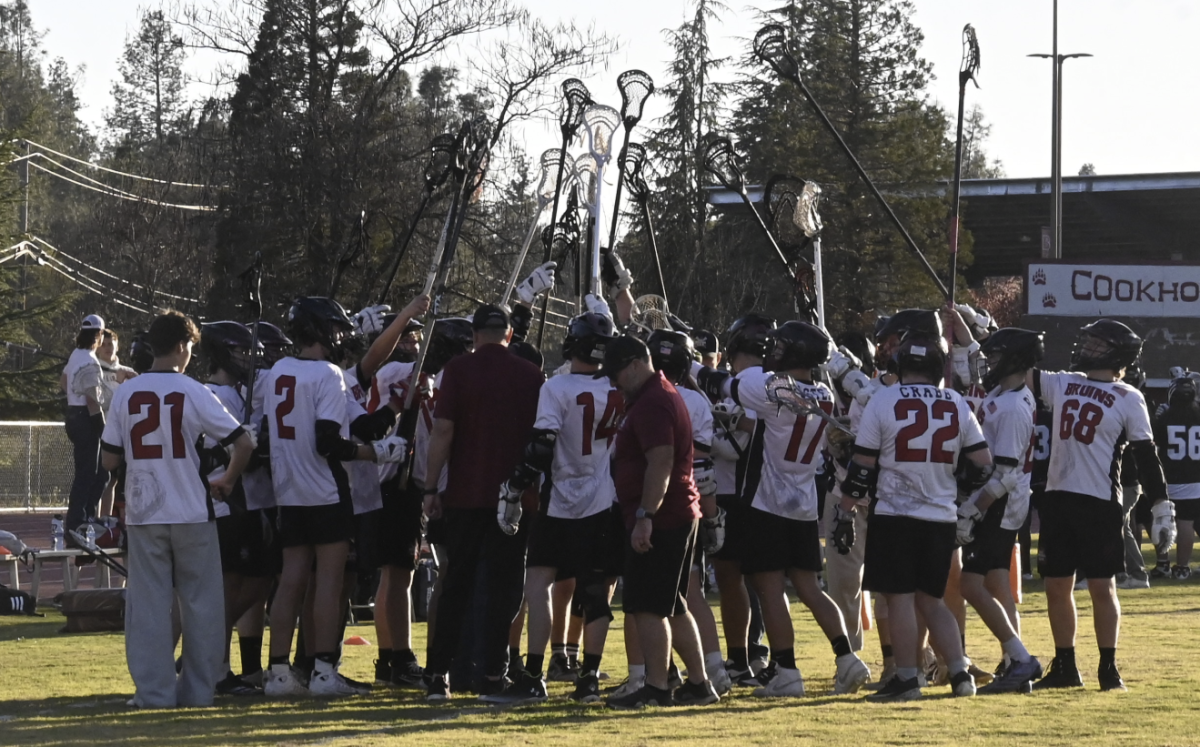
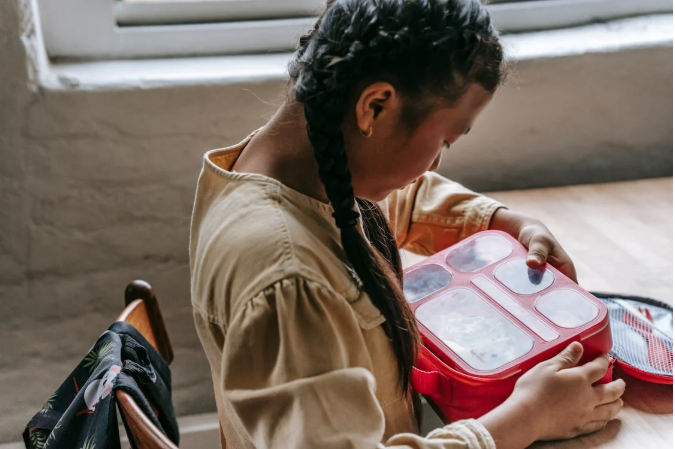








The Bear River cafeteria does not give out nearly enough food to last students all day, especially student athletes. Trying to get through the school day and then sports practice on a handful of chicken nuggets or a singular slice of pizza will ensure that you will not gain anything meaningful from either activity.
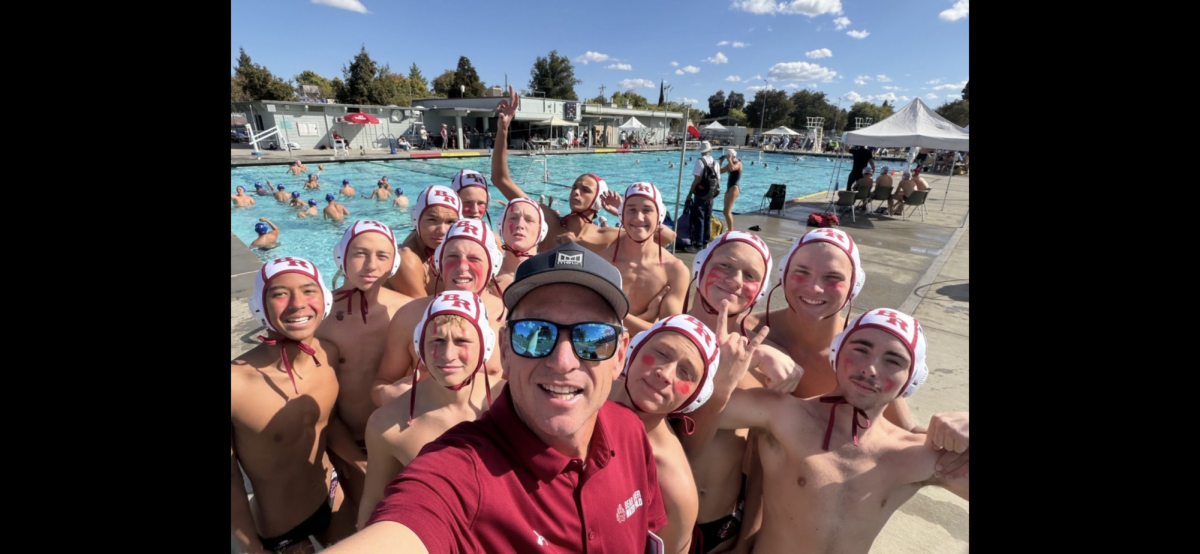
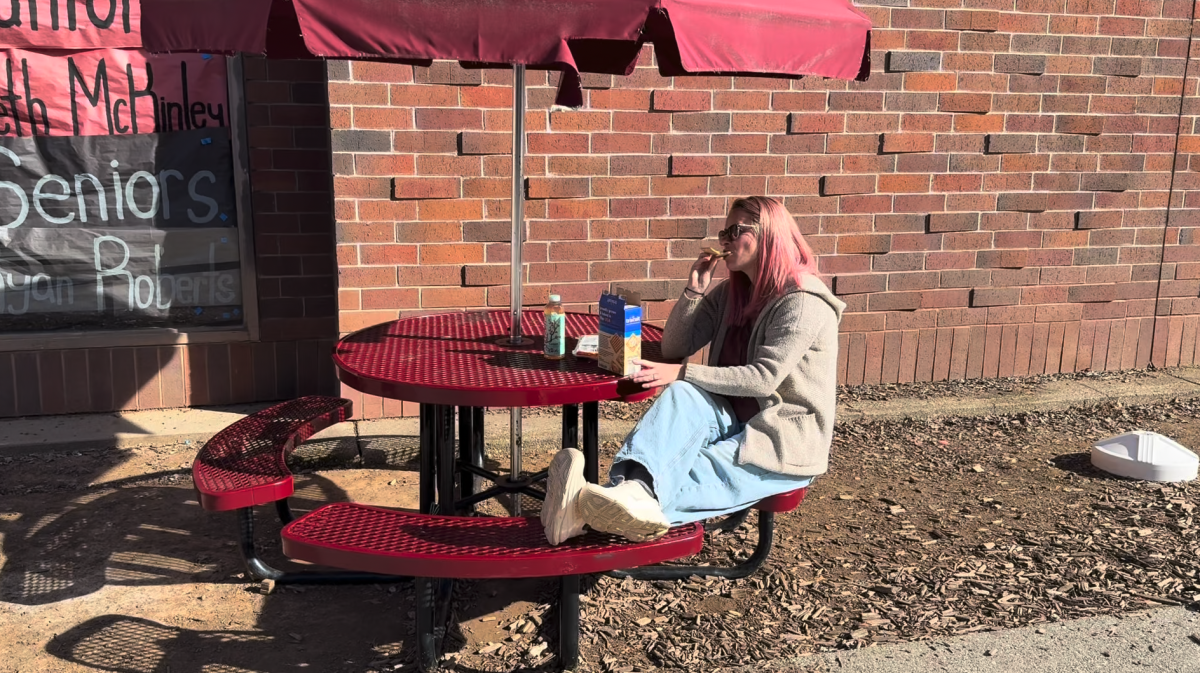
Bear River sophomore Greta Lippincott, who plays water polo, started bringing her own lunch, as the food sizes were too small. Everyone is familiar with the feeling of having to trudge through the day, fantasizing about your next meal while a hole is being burned into your stomach. Student athletes have to go through the whole school day, as well as a two hour sports practice, on an empty stomach, which affects their performance in both.
One possible solution is to add an optional way to sign up for extra food if you are a student athlete. This would be a good way to get extra food to the people that need it, and only the people that need it. The extra food could be as simple as an additional half slice of pizza, a handful more of chicken nuggets, or extra fries with the cheeseburger. This could end up costing the school more money however.
Another possible solution would be to offer a program where students could pay for extra food. The easiest way to do this would be to set up a subscription type service, where students could pay a monthly fee to enjoy a full stomach. Another possibility would be to sell food at the snack bar, not just snacks. Many student athletes would rather pay for extra food than go through the hassle of bringing food from home. Both of these would remove the costs for the school, but some athletes may not be able to afford the service, and success would depend on how many people would use it.
People opposed to this plan will have arguments such as “If students are hungry, then they should bring food from home” and “The meals are surely not that small. They should just deal with it”. While these arguments are valid, they are not concrete. Bringing lunches from home can either make a backpack that is already heavy, several pounds heavier, or take up space in a locker that may be needed for something else, or be inconvenient to get to. Also, some athletes don't have the ability to bring lunches that have the nutrients one needs, or can bring one at all. As for the argument that the lunches are big enough, Lippincott went to Magnolia and has siblings still there, and though their food is different, they have the same serving size. High school students are being fed the same amount of food as middle school students. How could that be enough?
There are many problems with the amount of food student athletes are fed, but there are even more solutions. More food for athletes would improve performance in sports and in school. Some of the best scholars and athletes in the world have been well fed, not feeding our student athletes as much food as they need will make sure they never reach their full potential. Why should they be limited in such a menial way?