






























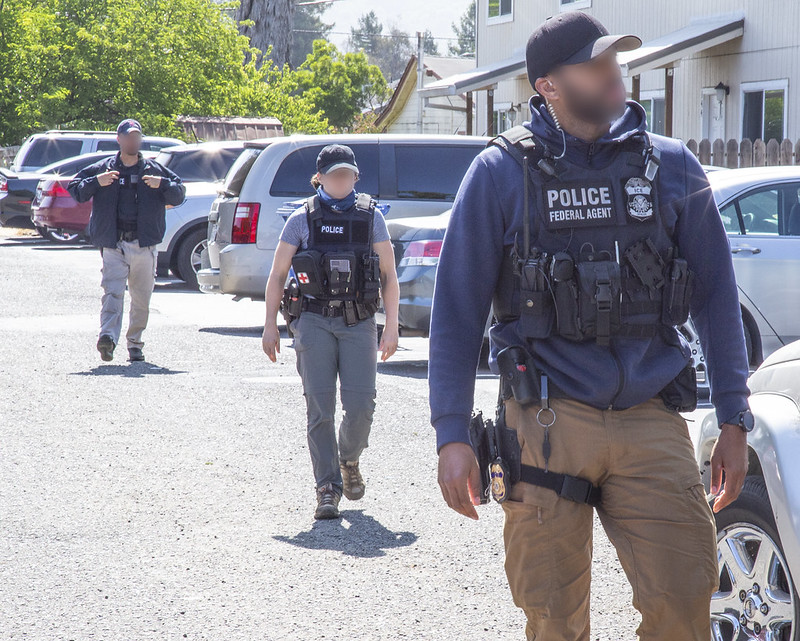
U.S. Immigration and Customs Enforcement is facing increased scrutiny after a series of controversial enforcement actions across the country, including the fatal shooting of Renee Nicole Good in Minneapolis. Critics argue that the agency’s actions reveal deeper issues within federal immigration enforcement, including the use of excessive force, misleading public statements, and a lack of meaningful accountability.
In January, Good was shot and killed during an ICE-led operation. Shortly after the incident, federal officials stated that she attempted to hit officers with her car, claiming that agents acted in self-defense. This explanation was widely reported in early news coverage and used to justify the shooting.
However, video footage released later appeared to contradict that claim. The video shows Good’s vehicle moving slowly as officers surrounded it, but it does not clearly show her accelerating toward agents or attempting to strike them. As the footage circulated, many viewers questioned whether the level of force used was justified based on what was visible on camera.
Minneapolis Mayor Jacob Frey publicly criticized the federal explanation after reviewing the footage, stating that it did not support claims that Good tried to run over officers. His statement added to growing public concern and reinforced arguments from civil rights groups that official narratives should not be accepted without independent review.
The Good case is not the only incident raising alarms. The death of Alex Pretti during an ICE operation in Arizona also drew scrutiny after the agency initially stated that agents acted in self-defense. Later witness accounts and court filings raised questions about whether Pretti posed an immediate threat at the time of the encounter. Like the Good shooting, the case added to concerns that ICE often controls the public narrative before all facts are independently reviewed.
Journalistic investigations and advocacy groups have documented other situations in which ICE’s initial statements were later challenged by video evidence, witness testimony, or court records. These cases have contributed to a growing perception that the agency is able to shape public understanding of incidents in ways that make accountability more difficult.
Concerns have also extended beyond field operations to ICE detention centers, where reports of overcrowding, inadequate medical care, and mistreatment have circulated for years. Critics argue that when combined with disputed use-of-force cases, these issues point to broader problems within an agency that operates with limited oversight and few consequences.
Public reaction to the Minneapolis shooting included protests, statements from elected officials, and renewed calls for reform. Many advocates have called for independent investigations into ICE shootings, clearer national standards governing the use of lethal force, and stronger civilian or judicial oversight of federal immigration enforcement.
ICE and the Department of Homeland Security have defended their agents, stating that officers often face dangerous and unpredictable situations and must make split-second decisions. Officials maintain that their actions are lawful and necessary to enforce federal immigration policy, even as investigations into specific incidents continue.
For many Americans, the deaths of Renee Good and Alex Pretti represent more than isolated tragedies. They have become part of a larger national debate over how immigration laws are enforced, how much power ICE should have, and who holds the agency accountable when that power is questioned. As evidence continues to emerge and public pressure grows, critics say the future of ICE enforcement may depend on whether meaningful oversight and reform follow, or whether disputed use-of-force cases continue to raise the same questions without lasting change.


SONIA DELGADILLO • Feb 24, 2026 at 9:35 am
Very thoughtful writing.