































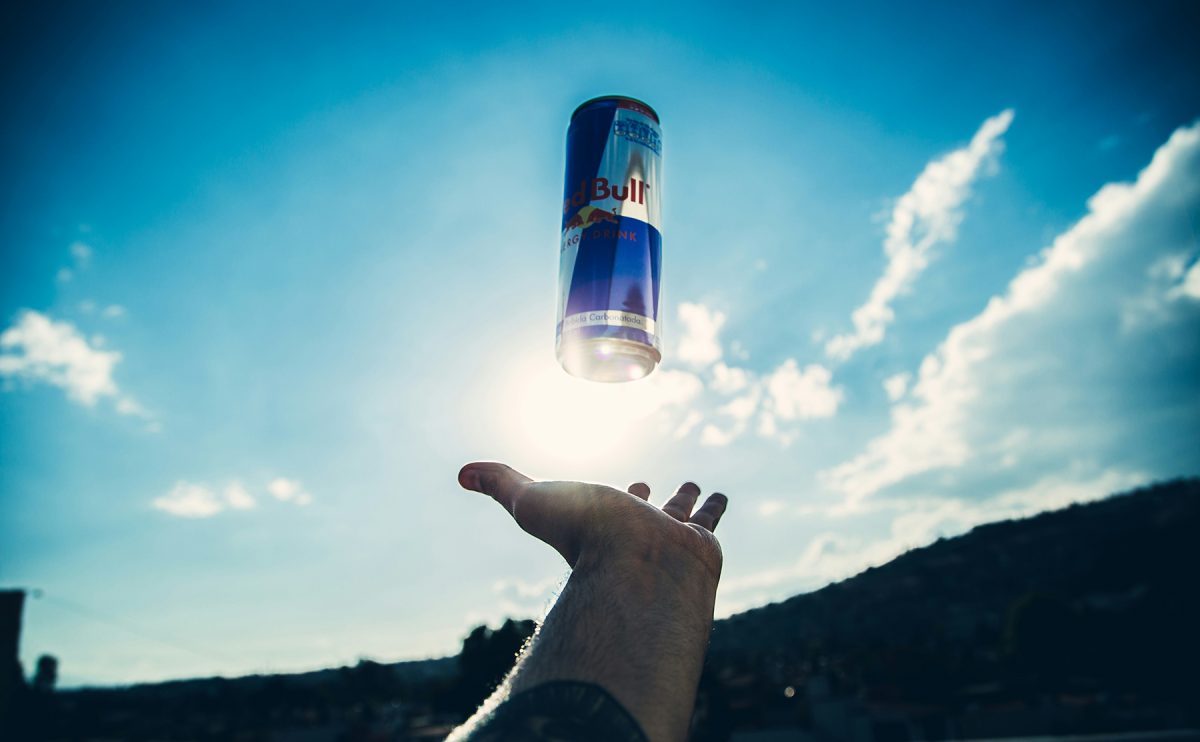
Energy drinks have become nearly as common as water bottles in high schools, but growing evidence shows that daily consumption is far from harmless. High school students should avoid drinking energy drinks every day, as the health risks and academic impacts outweigh any temporary boost these beverages provide.
Most energy drinks contain very high levels of caffeine, often equal to or exceeding a full cup of coffee. The American Academy of Pediatrics recommends that teenagers consume no more than 100 mg of caffeine per day, yet many energy drinks surpass this limit in a single can. When students rely on these beverages daily, their bodies are continually pushed beyond safe caffeine levels. Research has linked excessive caffeine in teens to increased anxiety, mood swings, sleep disruptions, and even heart palpitations, all of which can interfere with learning, focus, and overall well-being.
In addition to caffeine, energy drinks pack in large amounts of added sugar, usually between 20 and 30 grams per can. The CDC warns that high sugar intake can lead to weight gain, dental issues, and a higher risk of developing type 2 diabetes. For teenagers, this daily sugar load also creates rapid spikes and crashes in energy levels, often leaving them more fatigued than before. Instead of providing lasting energy, these drinks create a cycle where students feel the need for another can just to stay alert.
Sleep is another major concern. Teenagers are already struggling to get the recommended 8–10 hours of sleep each night due to demanding schedules filled with homework, extracurricular activities, and early school start times. Daily energy drink use makes this problem worse. Caffeine can stay in the body for hours, pushing bedtimes later and reducing sleep quality. As a result, students may become even more tired the following day, reinforcing the cycle of dependence on energy drinks.
Some argue that energy drinks help students stay awake and focused during long days. While they may offer a brief burst of alertness, the long-term consequences outweigh the short-term benefits. Safer alternatives, such as staying hydrated, eating balanced meals, getting consistent sleep, or choosing mild caffeine sources like tea, provide more consistent energy without harming a teen’s physical or mental health.
Daily energy drink consumption places unnecessary strain on students’ bodies and creates habits that can follow them into adulthood. High school students deserve energy sources that support their health, not ones that undermine it.